
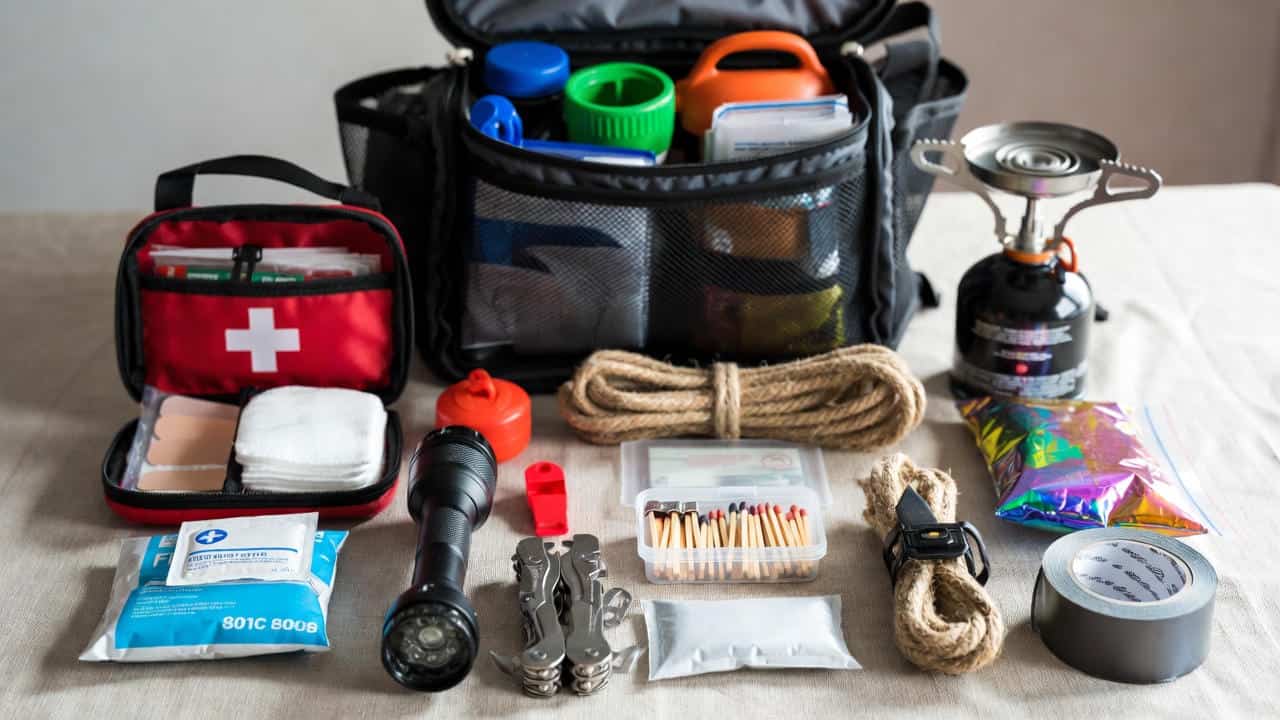
Make a Smart Emergency Kit Using Things You Already Have Around
Whether you live in an apartment or a house the goal is the same. Choose items that cover immediate survival basics and daily comfort over several days then organize them so family members can grab what they need quickly. I will list categories of items to include and show ways to reuse containers and supplies so waste is reduced and cost is low.
Why build a practical emergency kit from items you already have around
Many people delay assembling a kit because they imagine buying expensive gear. The truth is redundancy and accessibility matter more than name brands. Starting with what you own lets you test the layout and contents without extra expense. You will spot gaps and then add or swap items intentionally.
Using household items also makes it easy to customize kits for different needs. A kit for a single adult can be compact. A family kit must hold more hydration and medical supplies. Preparing this way makes it easier to keep the kit current and usable over time.
Essential categories to add to your home emergency kit
Organize contents into clear categories so you can inventory and rotate items quickly. Each category solves a specific problem in the first 72 hours after an incident.
- Water and hydration Keep at least one gallon per person per day for three days as a baseline for drinking and basic hygiene.
- Food and nutrition Nonperishable options that do not need cooking or refrigeration are best.
- First aid and medications Include personal prescriptions, a basic first aid kit, and any special items for children or older adults.
- Tools and light Flashlight, batteries or crank options, multi tool, and a whistle for signaling.
- Warmth and shelter Blankets, ponchos, spare clothing and sturdy shoes are important when heating or shelter becomes limited.
- Communications and documentation A paper list of emergency contacts, photocopies of ID, and a battery powered radio help when digital systems are offline.
Best upcycled containers for a home emergency kit
Containers determine how portable and accessible your kit is. Instead of buying a new bag try repurposing sturdy items you already own. A clean toolbox, a duffel bag tucked under a bed, or a large tote can work well. Choose one that resists moisture and has compartments or pockets.
For families consider a main container for shared items and smaller individual packs for each person. That makes it easy to split supplies if needed and lets kids carry their own snacks and small comfort items.
When you want ideas for using common materials in creative ways this article on DIY Emergency Kit shows several upcycled examples that are both practical and low cost. Those approaches are useful when you want to match container size to your storage space.
Choosing the right container
Pick a container that closes securely and is easy to carry. If you may need to leave home on foot choose a backpack style that leaves hands free. For vehicles, a soft bag that fits under a seat or a small plastic bin that resists leaks is often best. Label the container so anyone in the household recognizes it at a glance.
Labeling and organization
Use simple labels to divide zones within the kit: first aid, food, hygiene, tools. Clear plastic bags can keep small items together and protect papers from moisture. Write dates on perishable items and on bags that hold medications.
Nonperishable food and water options you probably already have
Start by scanning your pantry. Items with long shelf life make excellent emergency staples. Think canned beans, canned tuna, peanut butter, hard candies, instant coffee, and dry cereal. Look for single serving sizes or repackage bulk items into single use bags so rationing is easy.
- Stock at least a three day supply with foods each person will eat without cooking when possible
- Include a manual can opener if you have canned goods
- Consider high calorie bars or store bought meal replacements if available
- Rotate food into your daily meal plan so nothing expires unused
Water is heavy. If storing a long term supply is not practical focus on enough to meet immediate needs plus methods to treat water such as household bleach and water purification tablets. A simple water treatment method is to filter then disinfect with the correct dose of unscented bleach then wait 30 minutes before use.
First aid and health supplies to gather today
Most households already contain useful first aid items. A small list of additions will round out your kit.
- Adhesive bandages in multiple sizes
- Gauze pads and medical tape
- Antiseptic wipes and an antibiotic ointment
- Pain relievers and any prescribed medications stored in original labeled containers
- Thermometer and basic blister care
For households with infants or aging adults include specific items such as formula or hearing aid batteries. Keep instructions for unusual medications or devices in a waterproof pouch so a caregiver can help if needed.
Handy tools communication and power items from around the house
Tools and power items let you handle small repairs and stay informed. Many people already have suitable items in drawers.
- Flashlights with fresh batteries and a few spares
- Multi tool or basic set of pliers screwdrivers and a wrench
- Local maps and a battery powered or crank radio
- Phone chargers and a small power bank with at least one full charge
Consider marking batteries with installation dates and rotate them out to prevent corrosion. A single small solar charger can provide light and a phone charge for several cycles if you store it in a dry place and keep it accessible.
How to maintain and rotate your emergency supplies
Creating the kit is the first step. A short maintenance routine keeps it useful. Schedule a quarterly check where you test flashlights replace expired food and update contact lists. Mark these maintenance dates on a calendar or set a reminder on a device.
Simple inventory method
Create a checklist on paper and tape it inside the lid of your container. List all items and the date each perishable or battery was added. At each quarterly check cross off items used and note replacements. Keep a small pen in the kit so anyone grabbing it can scribble notes for the next check.
Rotation tips for common items
When you use items from the kit replenish them from your home stock rather than replacing with new purchases. That practice prevents accumulation of duplicate items and keeps the kit current. For example when you open a sealed can to use in normal cooking replace the kit can with another from the pantry.
Extra ideas for comfort and long term use
Small comfort items help morale during a stressful event. Include a lightweight board game a deck of cards or a few small toys for children. A spare set of cloths appropriate to the season and a pair of warm socks go a long way. If pets are part of your household store a small supply of pet food and a leash or carrier.
For longer outages plan for hygiene. Feminine care products diapers and hand sanitizer are frequently overlooked and make daily life smoother. Keep trash bags and a few zip top bags for sanitation and waste containment.
Finally consider assembling a mini kit to keep in your car and one for work. Different locations require slightly different contents but the method is the same. Use what you own then fill gaps intentionally.
Putting this plan into practice takes a small amount of time now and saves hours of stress later. Start by picking one category and completing it in an evening. Reuse sturdy containers from around the house to keep costs low. Label items and schedule a quick review every few months to keep the kit ready.
When you finish make a habit of telling household members where the main kit is stored and what smaller kits exist. Run a simple drill so children know how to grab their individual pack. With these small steps your household will be ready for common disruptions and you will have used existing supplies wisely. Now take action pick one container and assemble a basic set today and expand it over the coming weeks.